Satellite monitoring doesn't need to be complex. For teams managing large, remote or distributed sites - mines, ports, construction corridors, energy assets and environmental projects - the challenge isn't whether satellite imagery is useful. It's how to access it quickly, identify what has changed, and share insight across operations without building an entire geospatial team.
This guide walks through how satellite asset monitoring works in practice, what high-resolution commercial satellite imagery can reveal across a site, and how Terrabit's Albatross platform turns regular captures into operational awareness for mining, infrastructure, port and environmental teams.
What Is Satellite Asset Monitoring?
Satellite asset monitoring is the use of repeat high-resolution Earth observation imagery to track physical assets, infrastructure and on-ground change across a site over time. Rather than relying on costly field visits, aircraft surveys or scattered drone captures, satellite monitoring delivers a consistent, audit-ready view of what is happening across your operations - whether that operation spans a single pit or thousands of kilometres of remote infrastructure.
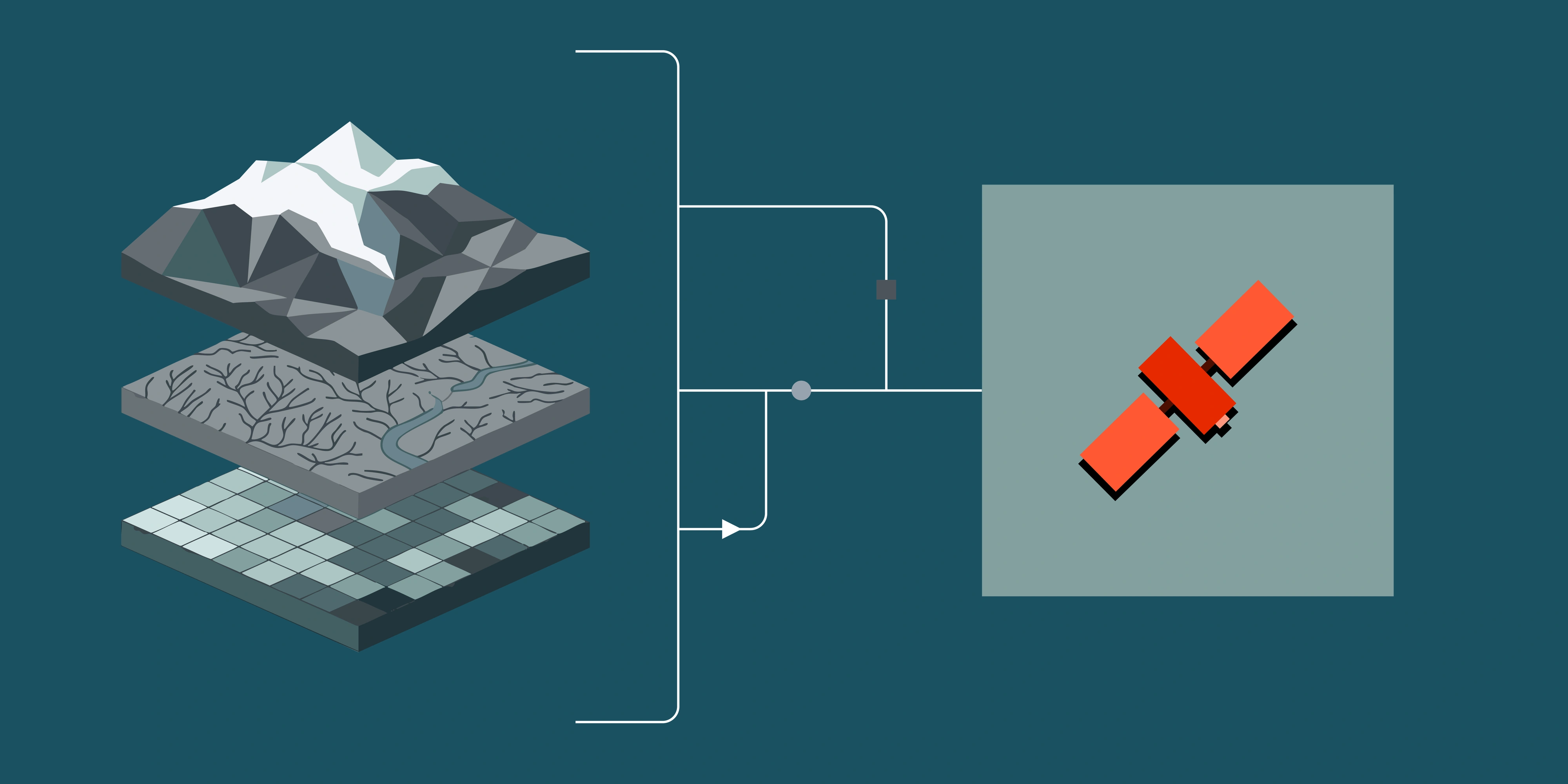
In its most useful form, satellite asset monitoring combines two complementary capabilities:
- Asset identification - locating, measuring and tracking discrete features on a site. Vehicles, heavy equipment, stockpiles, tailings facilities, container yards, vessels, laydown areas, processing infrastructure, haul roads, sediment ponds and rehabilitation zones are all visible at modern satellite resolutions.
- Change detection - comparing imagery from different dates to highlight what has moved, grown, shrunk, been built, been cleared or been disturbed. For a deeper look at the methods behind this, see our guide on what is change detection.
Together, these turn satellite imagery from a static picture into an operational dataset - one that supports faster decisions, independent verification and a defensible record of site activity over time.
What You Can Monitor from Space
Modern commercial satellite constellations now deliver resolutions down to 30cm, with daily revisit capability across Australia. At that level of detail, satellite asset monitoring is no longer a regional, big-picture tool - it is a site-level operational tool.
The following are all routinely monitored from satellite imagery on Albatross:
For a wider view of how this applies across different industries, see Satellite Data for Mining: Exploration to Rehab and our Industry Solutions pages. For mine sites specifically, see our mine site monitoring and stockpile volumetric reporting services.
Why High-Resolution Commercial Imagery Matters
Open-access satellite data such as Sentinel-2 (10m) and Landsat (15-30m) is excellent for regional baselines, vegetation indices and broad change. But for asset-level monitoring of an active operation, resolution and revisit cadence become the deciding factors.
Resolution determines what you can identify:
- 30 - 35cm (very high resolution) - individual vehicles, structural detail, earthworks, vessels at berth, fence lines, small structures. Ideal for active mining, construction, port logistics and detailed infrastructure inspection.
- 50 - 80cm (high resolution) - clear identification of stockpiles, pit boundaries, plant footprints, road networks and laydown areas. A strong balance of detail and cost for recurring monitoring programs.
- 2 - 3m (medium-high resolution) - useful for site-scale change detection, environmental controls and rehabilitation tracking where individual-asset detail is not required.
Revisit cadence determines how quickly you see change:
Daily, weekly, fortnightly and monthly programs all have a place. Active construction or compliance windows may warrant daily captures; mature operations may only need monthly. The right cadence is a balance of operational tempo, risk profile and budget. For time-critical scenarios, see our guide on urgent satellite tasking in Australia.
Note: Cloud cover, off-nadir angle and seasonal sun elevation all affect how usable a given capture is. A good monitoring program plans for these conditions rather than reacting to them - building in tasking windows, backup constellations and weather-resilient options such as SAR where appropriate.
How Albatross Simplifies Satellite Monitoring
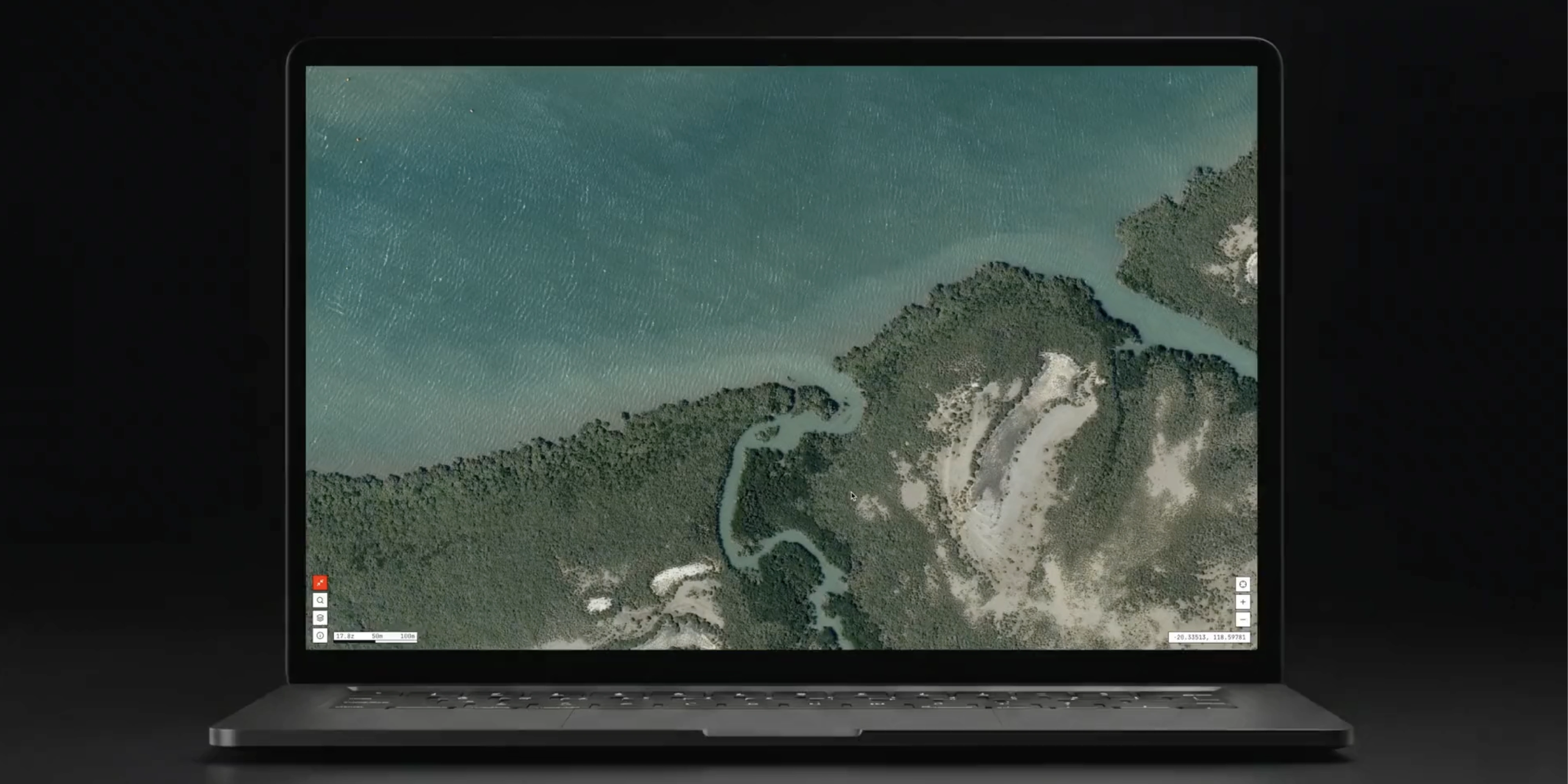
The historical barrier to satellite asset monitoring has never been the imagery itself - it has been the workflow around it. Sourcing data from multiple vendors, processing it to a usable standard, comparing dates, sharing outputs with non-GIS users, and keeping a clean record of what was captured when. Albatross was built to remove that overhead.
Inside the Albatross platform, teams can:
- Define and manage Areas of Interest (AOIs) across single sites or entire portfolios.
- Browse archive imagery and submit new tasking requests against the same workflow. For a comparison of when to use each, see archive vs tasking.
- Access analysis-ready imagery - orthorectified, atmospherically corrected and ready to overlay without additional pre-processing. See our breakdown of pre-processing satellite imagery for what that involves.
- Review captures side-by-side to identify site change, asset movement and progression between dates.
- Share insights with operations, compliance, executive and external stakeholders without requiring every viewer to be a GIS specialist.
The outcome is a single, secure environment where satellite monitoring becomes part of the operational rhythm - not a one-off project that lives on someone's desktop.
Industry Applications
Mining and Resource Operations
Mining is the highest-value use case for satellite asset monitoring across Australia, and one of the most mature. With sites often spanning hundreds of square kilometres in remote regions, satellite imagery delivers an independent, repeatable view of what's happening on the ground.
Typical satellite asset monitoring applications on a mine site include:
- Pit progression and bench advancement tracking
- Overburden, waste dump and laydown area growth
- Stockpile location, footprint change and movement
- Heavy equipment and contractor activity oversight
- Tailings storage facility (TSF) perimeter, surface water and freeboard checks
- Haul road condition, expansion and unauthorised access detection
- Encroachment monitoring of vegetation regrowth
- Disturbance footprint reporting against approved boundaries
- Rehabilitation progress through NDVI and multispectral analysis
- Independent verification of contractor and operator reporting
At 35cm resolution from constellations like BlackSky Gen-3 and 30cm from WorldView-3 and WorldView Legion, individual trucks, drill rigs and structural changes are all identifiable - supporting daily-tempo operational awareness without site mobilisations.
Infrastructure and Construction
Major infrastructure - road, rail, pipelines, transmission, water, renewables - increasingly relies on satellite monitoring for progress documentation, contractor management and milestone verification across linear and remote corridors.
Common infrastructure monitoring use cases include:
- Construction progress tracking against schedule
- Earthworks, cut/fill and laydown growth
- Alignment validation for roads, rail and pipelines
- Sediment basin, erosion control and clearing limit compliance
- Independent visual evidence for stakeholder reporting
- Post-event impact assessment after storms, floods or bushfires
For more on this sector, see our infrastructure solutions page.
Ports and Maritime Logistics
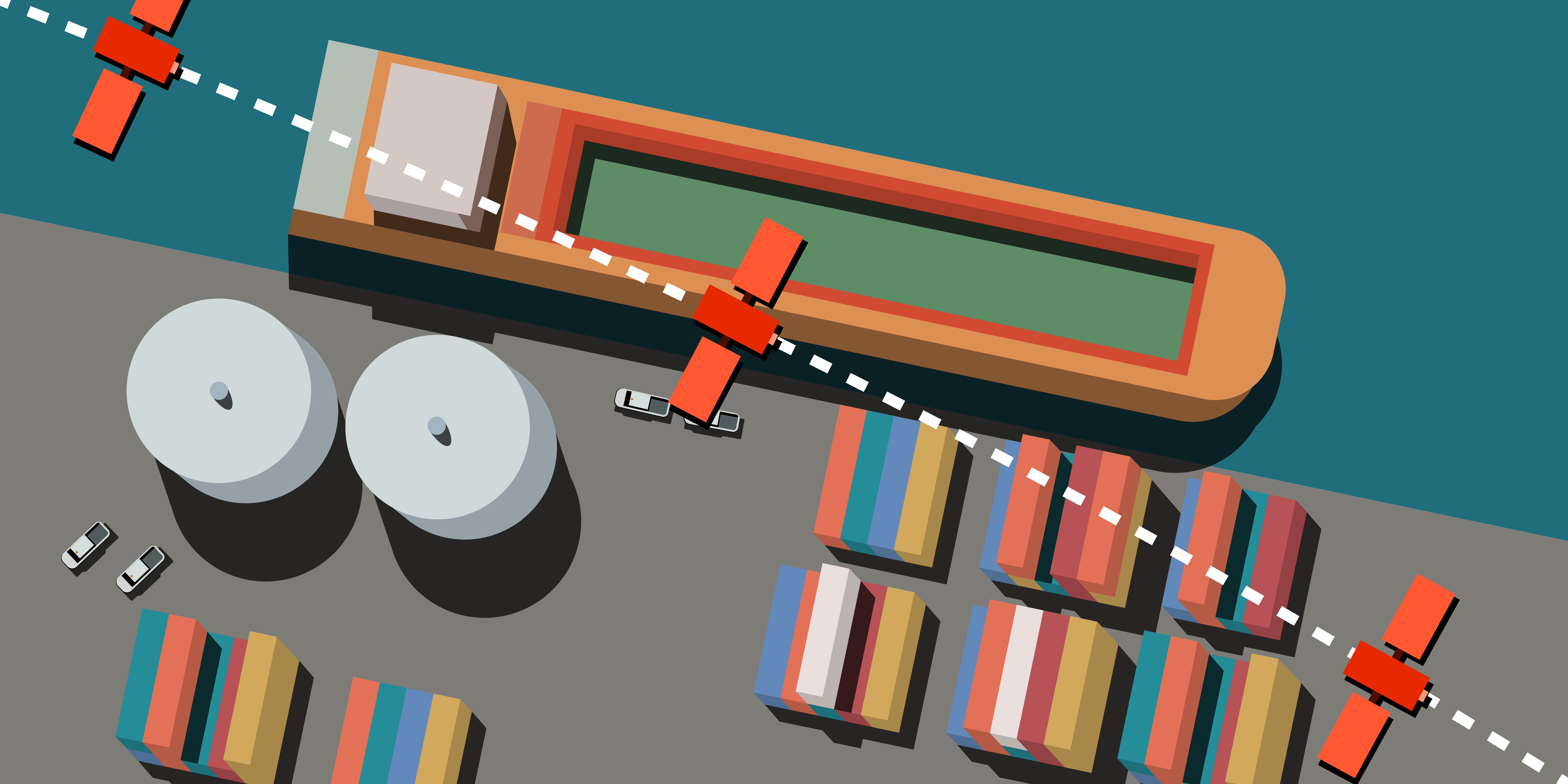
Port and maritime monitoring is one of the fastest-growing satellite asset monitoring use cases. High-resolution imagery makes individual vessels, container stacks, berthing activity, dredging works and breakwater progress identifiable - useful for operators, regulators, financiers and supply chain analysts.
Typical port monitoring applications include:
- Vessel counts, berth occupancy and dwell time indicators
- Container yard density and throughput trends
- Construction monitoring at port expansion projects
- Dredging extents and stockpile management
- Environmental compliance around breakwaters and outfalls
Environmental and Compliance
Beyond active assets, satellite monitoring is a core tool for environmental performance, compliance and disclosure. The same imagery that supports operational oversight provides an audit-ready record for regulators, communities and investors.
Common environmental applications include:
- Vegetation clearing and rehabilitation tracking
- Water body extent, turbidity and seasonal change
- Sediment plume and runoff mapping after rainfall events
- Fire scar mapping and recovery monitoring using NBR
- Wetland and coastal change monitoring
- ESG reporting evidence
See our environmental solutions for a deeper view.
From Imagery to Operational Awareness
Imagery on its own isn't insight. The shift from "satellite data" to "satellite asset monitoring" happens when imagery is captured on a defined cadence, processed to a consistent standard, compared between dates and made accessible to the people who actually need to act on it.
A typical Albatross-supported monitoring program looks like:
- Define AOIs and objectives. What sites, what features and what change matters most. A pit, a TSF, a port berth, a construction corridor or a rehabilitation cell will each have a different monitoring profile.
- Set a capture cadence. Daily, weekly, fortnightly or monthly - with the flexibility to escalate to urgent tasking when an event demands it.
- Choose the right resolution mix. Very high resolution where detail matters, high resolution where coverage matters, archive imagery for baselines. See our full satellite imagery products for the options available.
- Deliver analysis-ready outputs. Orthorectified to client supplied control or satellite ephemeris data, atmospherically corrected and ready for direct overlay in Albatross, GIS, BI or compliance workflows.
- Review, compare and share. Side-by-side dates, change products, indices and exports for stakeholders who don't need access to the full platform.
- Build a defensible record. Every capture, every observation and every shared report becomes part of an audit trail that supports compliance, investor reporting and operational governance.
Why Operators Are Moving to Satellite-Based Asset Monitoring
Three forces are driving Australian organisations toward satellite asset monitoring as a standard operational tool:
- Cost and access. Commercial constellations have expanded rapidly, daily revisit is now available, and resolutions that were government-only a decade ago are commercially accessible. Costs per square kilometre continue to fall.
- Scale and remoteness. Field-based monitoring scales linearly - more sites, more people, more travel. Satellite monitoring scales near-vertically. Whether you are monitoring one mine or twenty, the workflow is the same.
- Compliance and ESG expectations. Regulators, financiers and communities increasingly expect independent, time-stamped evidence of operational and environmental performance. Satellite imagery delivers that evidence without relying on the operator's own reporting.
Combined, these forces have moved satellite asset monitoring from a specialist niche into a core part of how large and remote operations are managed.
Getting Started
A useful satellite monitoring program rarely starts with "buy a lot of imagery." It starts with a clear view of which assets matter most, how often change needs to be detected, and which stakeholders need to see the output.
From there, Terrabit can advise on the right resolution mix, capture cadence and tasking strategy for your sites - and Albatross handles the workflow from AOI to delivered insight.
Ready to put satellite asset monitoring to work across your operations? Explore the Albatross platform, browse our satellite imagery products and active satellite constellations, or request a tailored quote today.