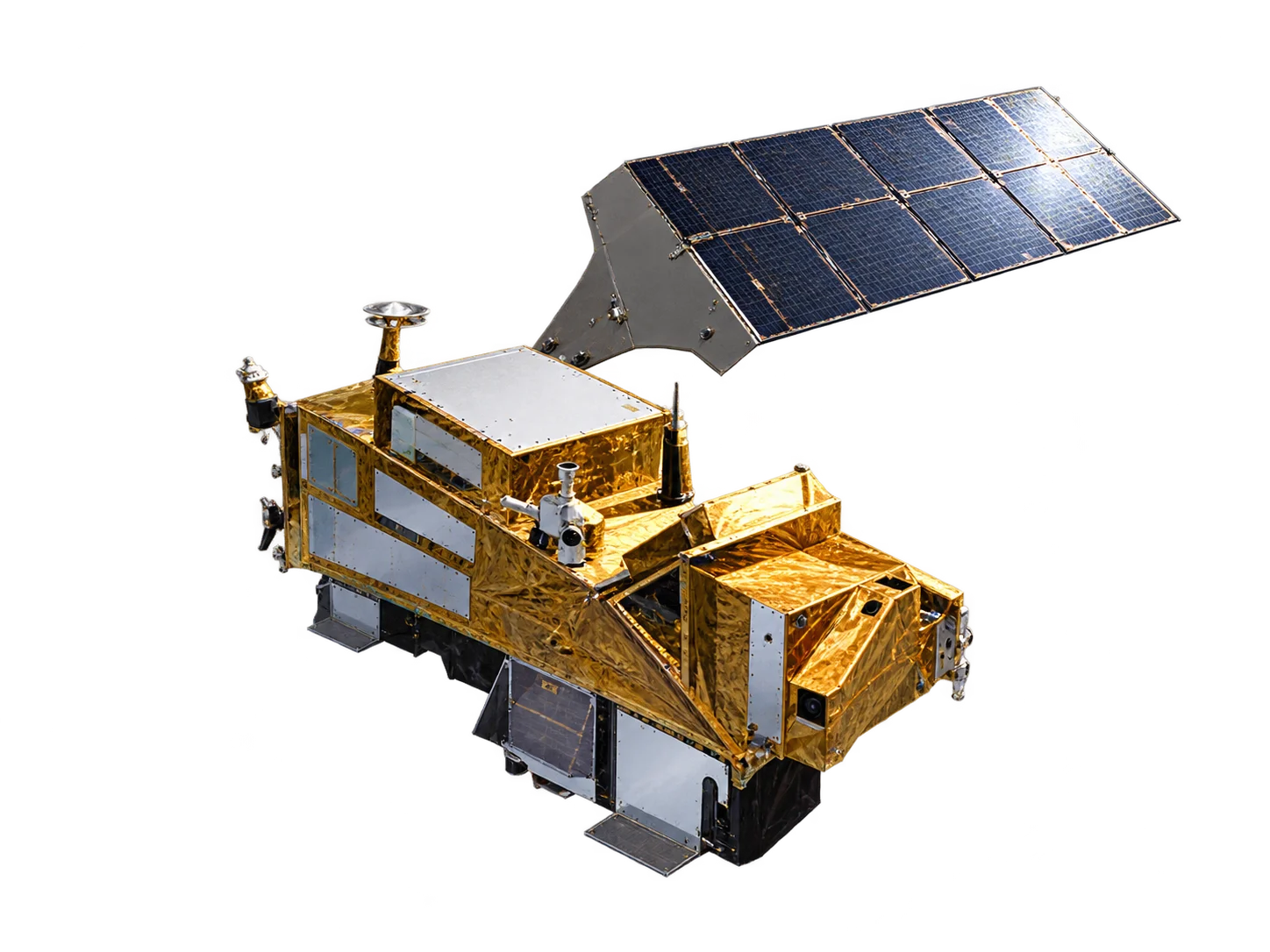
Overview
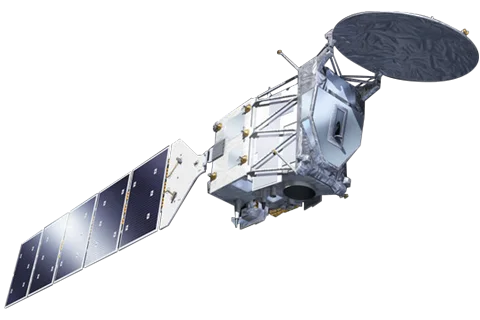
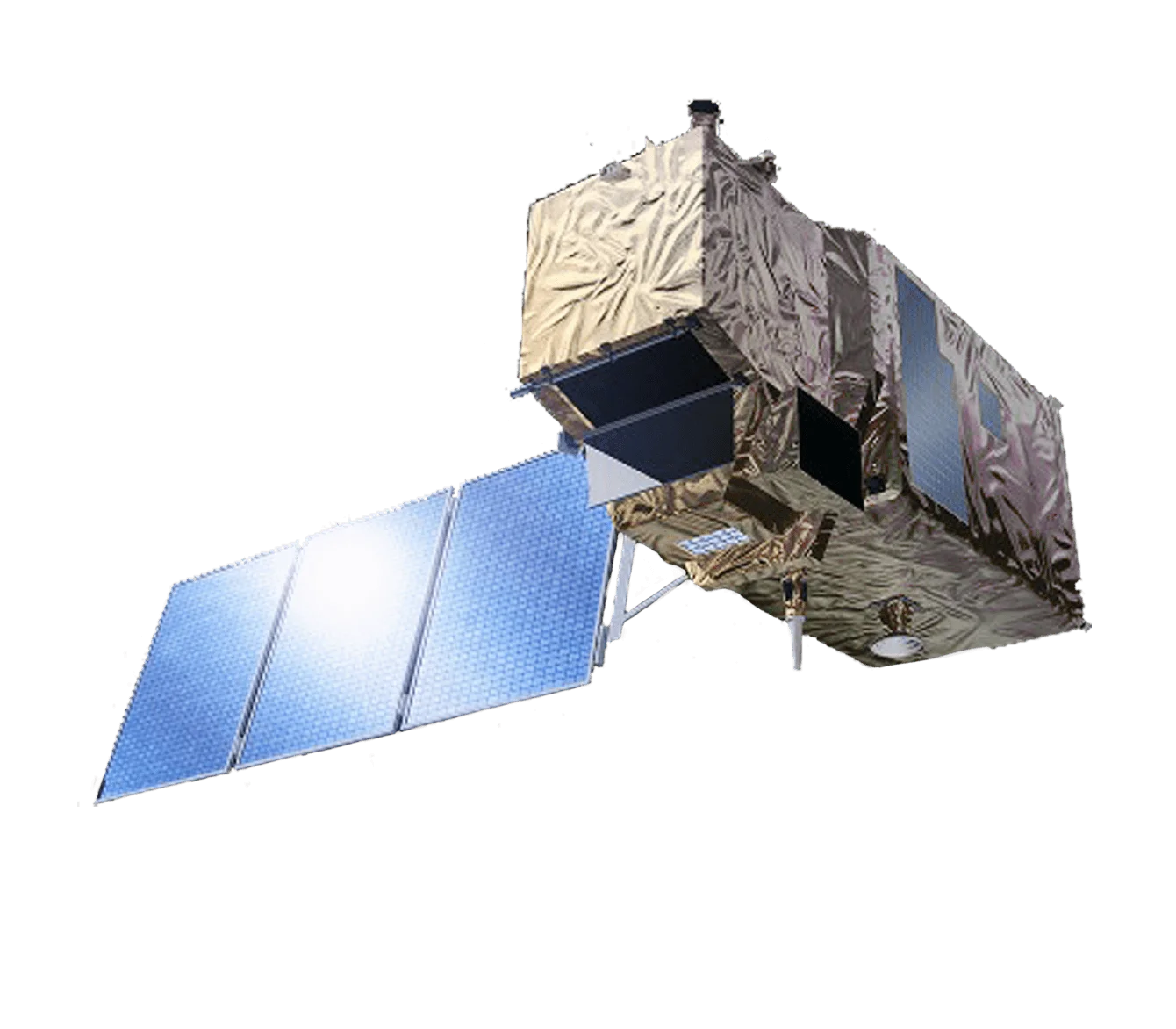
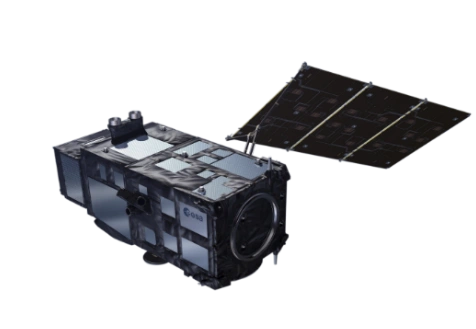
Sentinel-5 is the Copernicus mission for global atmospheric composition. It is an instrument rather than a standalone satellite: the Sentinel-5 spectrometer flies on EUMETSAT's Metop Second Generation A1 (MetOp-SG A1) weather satellite, launched on an Ariane 6 on 13 August 2025. It continues the daily global air-quality record started by Sentinel-5P, and further Sentinel-5 instruments are planned for later MetOp-SG A satellites.
UVNS Instrument
The UVNS is a pushbroom imaging spectrometer spanning ultraviolet to shortwave infrared across seven bands.
- UV-1 and UV-2 - Ozone profiles, sulphur dioxide and formaldehyde
- VIS - Nitrogen dioxide and aerosols
- NIR-1 and NIR-2 - Cloud, aerosol height and surface pressure from oxygen absorption
- SWIR-1 and SWIR-3 - Methane and carbon monoxide
- 2670 km swath - Wide enough to image the entire planet every day
Atmospheric Species Measured
- Nitrogen dioxide (NO2) - Traffic and combustion emissions
- Ozone (O3) - Stratospheric ozone layer and ground-level pollution
- Sulphur dioxide (SO2) - Volcanoes, smelters and power generation
- Methane (CH4) and carbon monoxide (CO) - Greenhouse gas and combustion tracers
- Formaldehyde (HCHO) - Volatile organic compound emissions
- Aerosols - Smoke, dust and volcanic ash
Data Access
Sentinel-5 is operated by EUMETSAT, and its data is free and open under the Copernicus programme.
Applications
- Methane monitoring - Detecting large emission sources from oil, gas, coal and waste facilities
- Air-quality reporting - Consistent daily global pollution maps
- Climate services - Long-term greenhouse gas and ozone records
- Hazard response - Tracking volcanic ash and wildfire smoke for aviation and health warnings
Image: ESA, CC BY-SA 3.0 IGO.