Overview
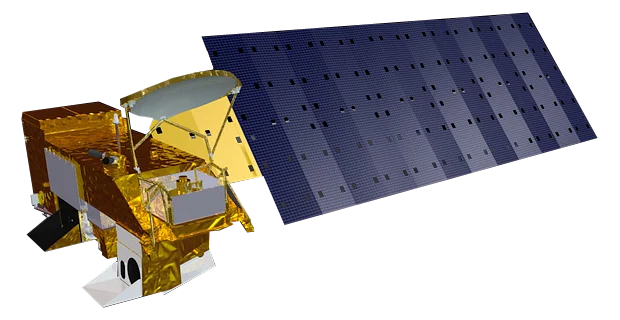
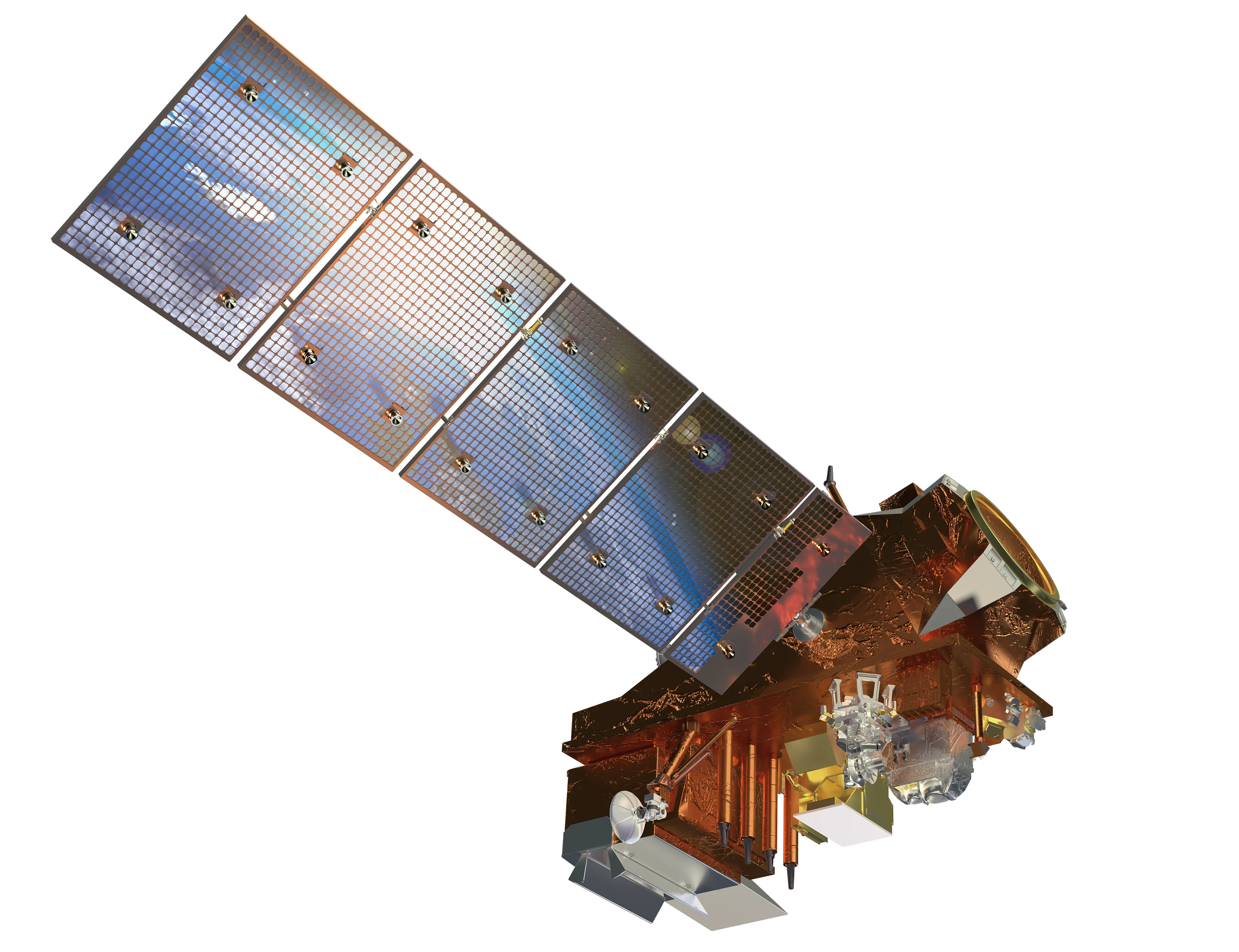
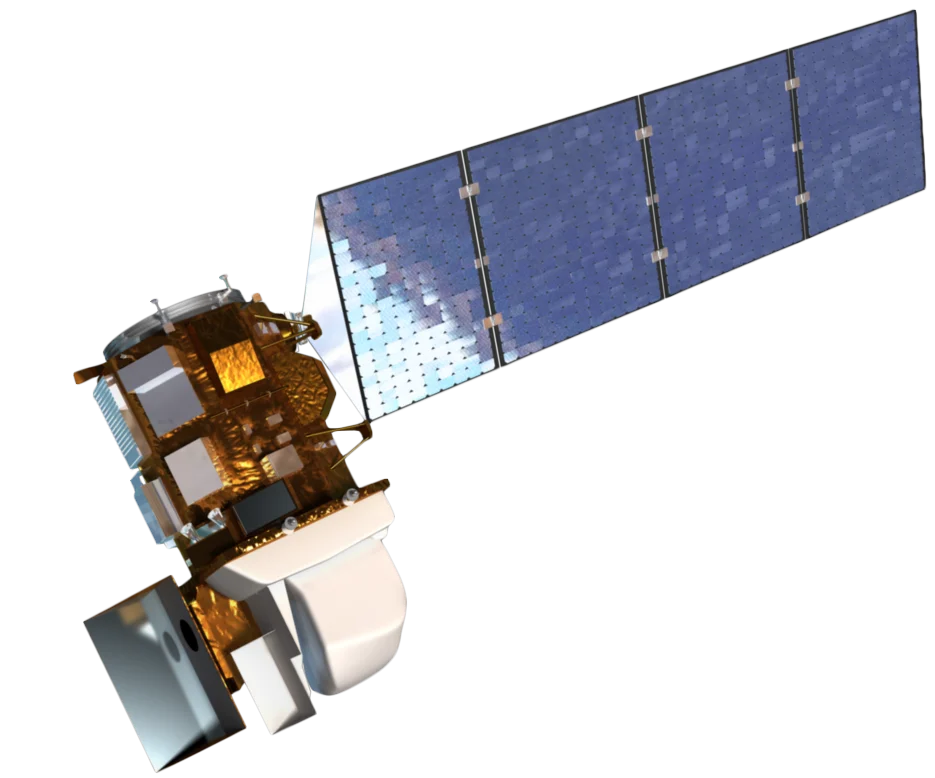
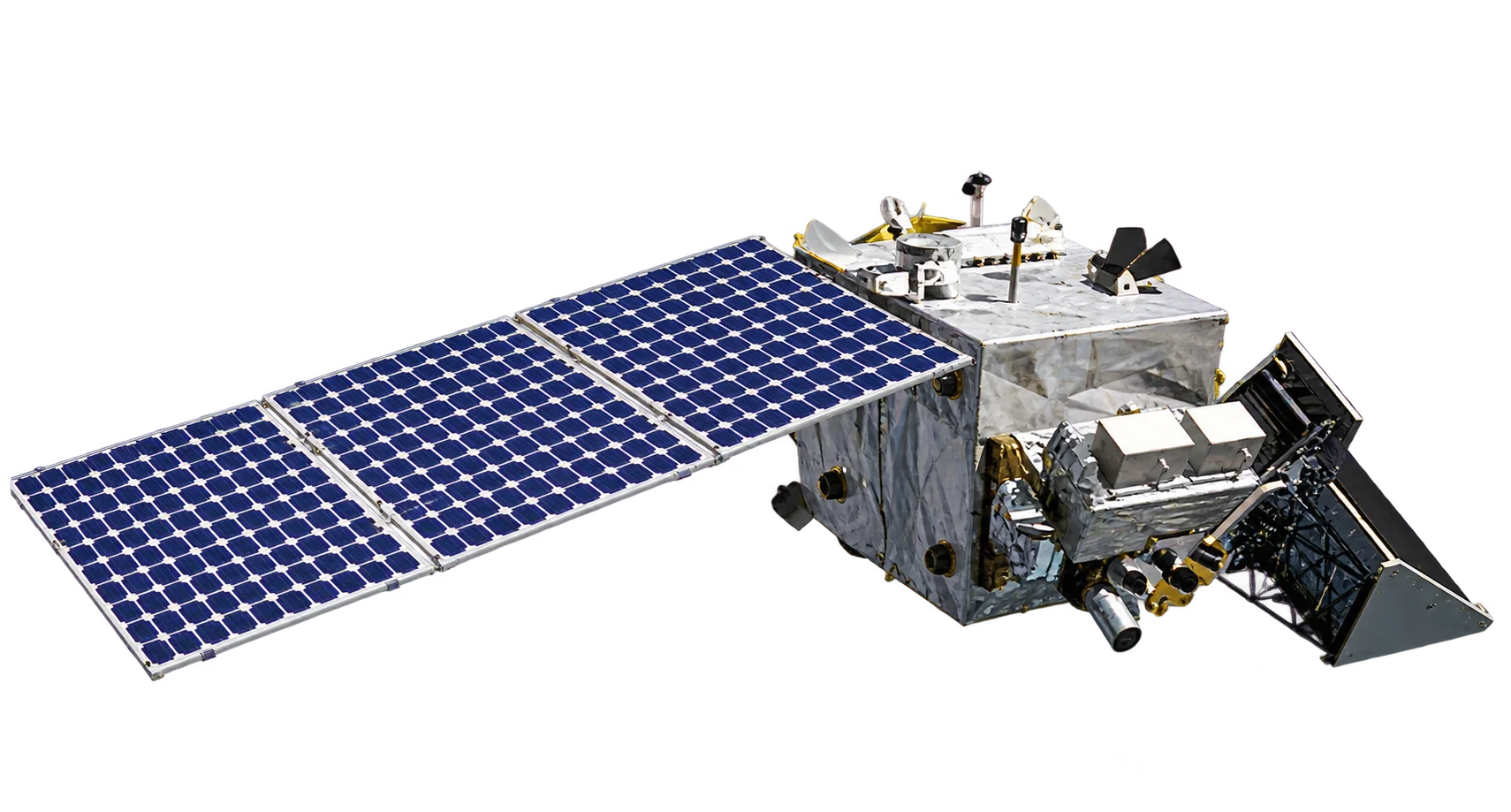
PACE (Plankton, Aerosol, Cloud, ocean Ecosystem) is a NASA mission launched in February 2024. Its main instrument, the Ocean Color Instrument (OCI), is the first hyperspectral imager to observe the entire globe every one to two days. Measuring the full colour spectrum of the ocean lets scientists tell different types of phytoplankton apart and study water quality in detail not possible with earlier multispectral sensors.
Ocean Color Instrument
- Hyperspectral coverage - Continuous 315 to 895 nm at 2.5 nm steps, with finer 1.25 nm steps around the fluorescence and oxygen bands
- Shortwave infrared - Seven SWIR bands for atmospheric correction, clouds and aerosols
- 1 km resolution - Global coverage every one to two days
- Tilting telescope - Tilts to avoid sun glint off the ocean surface
Polarimeters
- HARP2 - Hyper-Angular Rainbow Polarimeter viewing each scene from up to 60 angles
- SPEXone - Spectropolarimeter from the Netherlands measuring aerosol size and composition
Data Access
PACE data is free and open through NASA's Ocean Biology Distributed Active Archive Center.
Applications
- Harmful algal blooms - Identifying bloom types in coastal and inland waters
- Fisheries - Phytoplankton health at the base of the marine food web
- Water quality - Sediment, organic matter and turbidity in coastal waters
- Air quality - Aerosol type and concentration
- Land vegetation - Hyperspectral indices for vegetation health