Overview
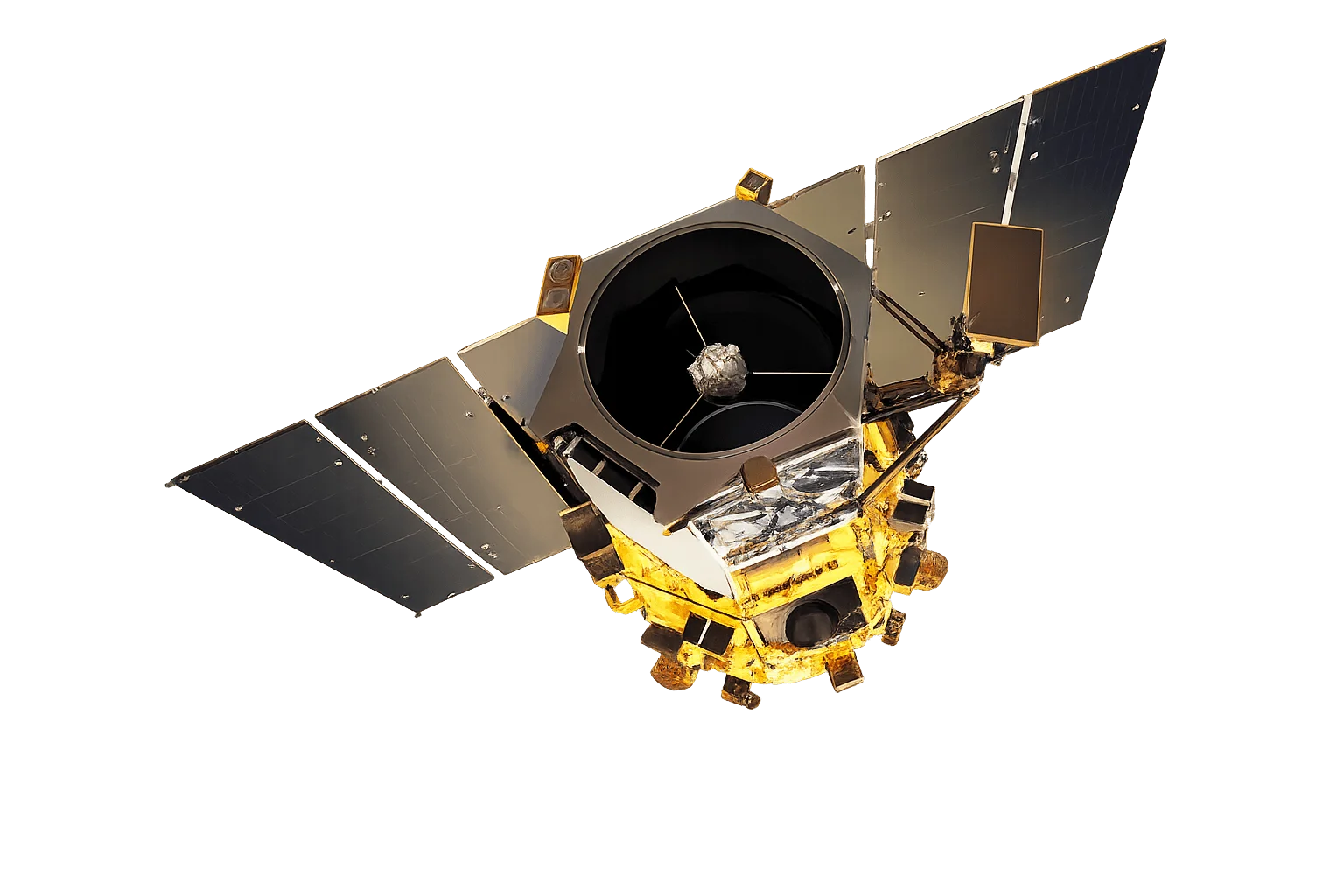
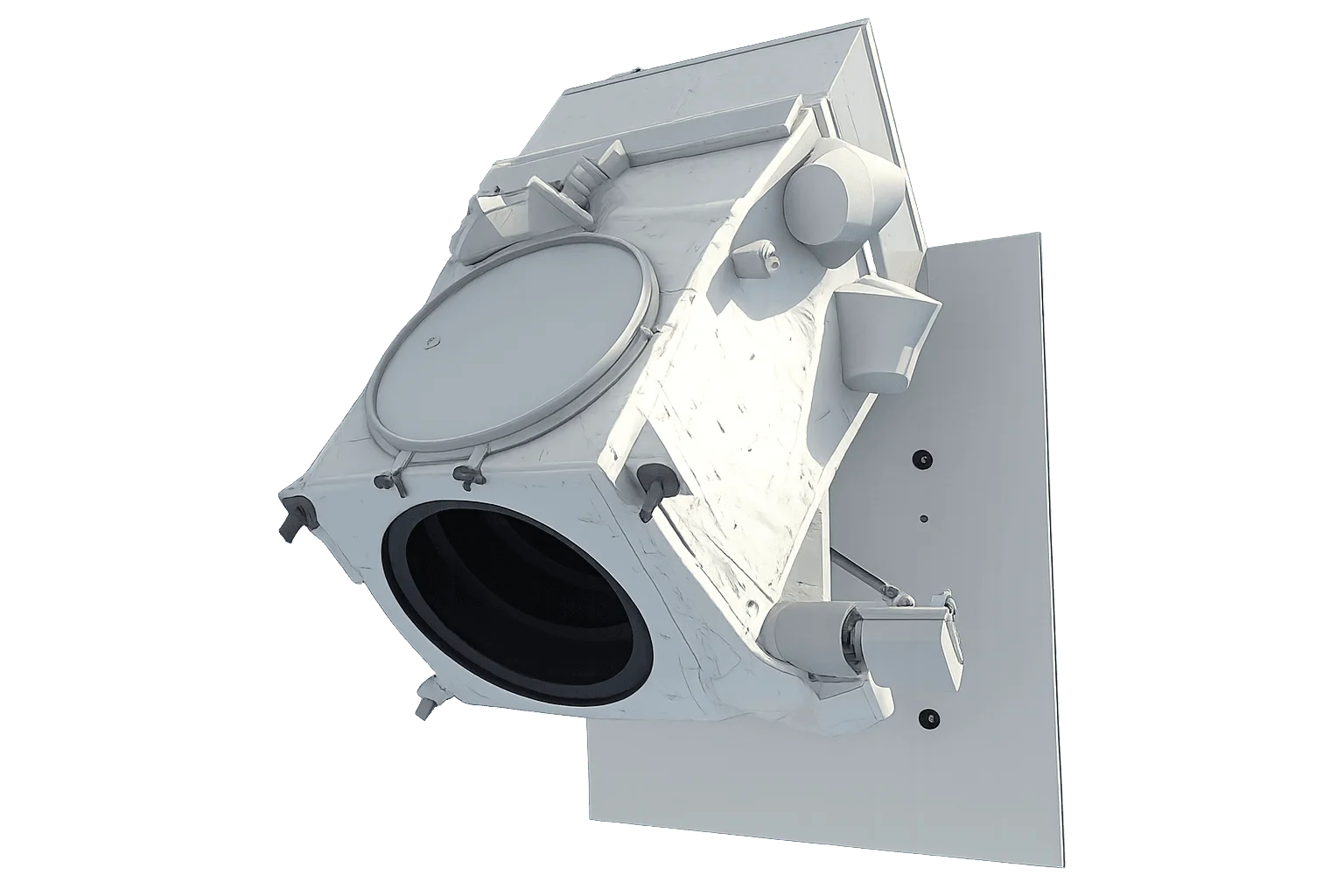
Pulse is a planned proliferated fleet of high-revisit satellites announced by Vantor in April 2026. Designed to deliver 40 cm-class imagery of any location on Earth as frequently as every 15 minutes, Pulse is built for persistent, global monitoring. Vantor expects the first Pulse satellites to launch as early as 2027.
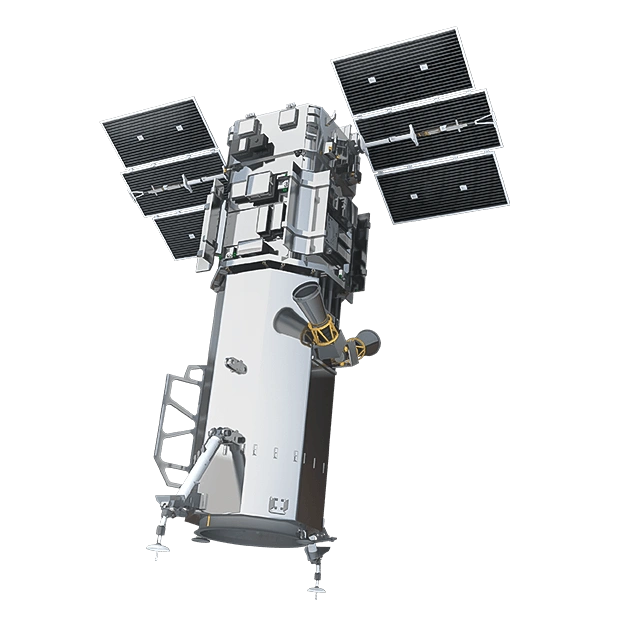
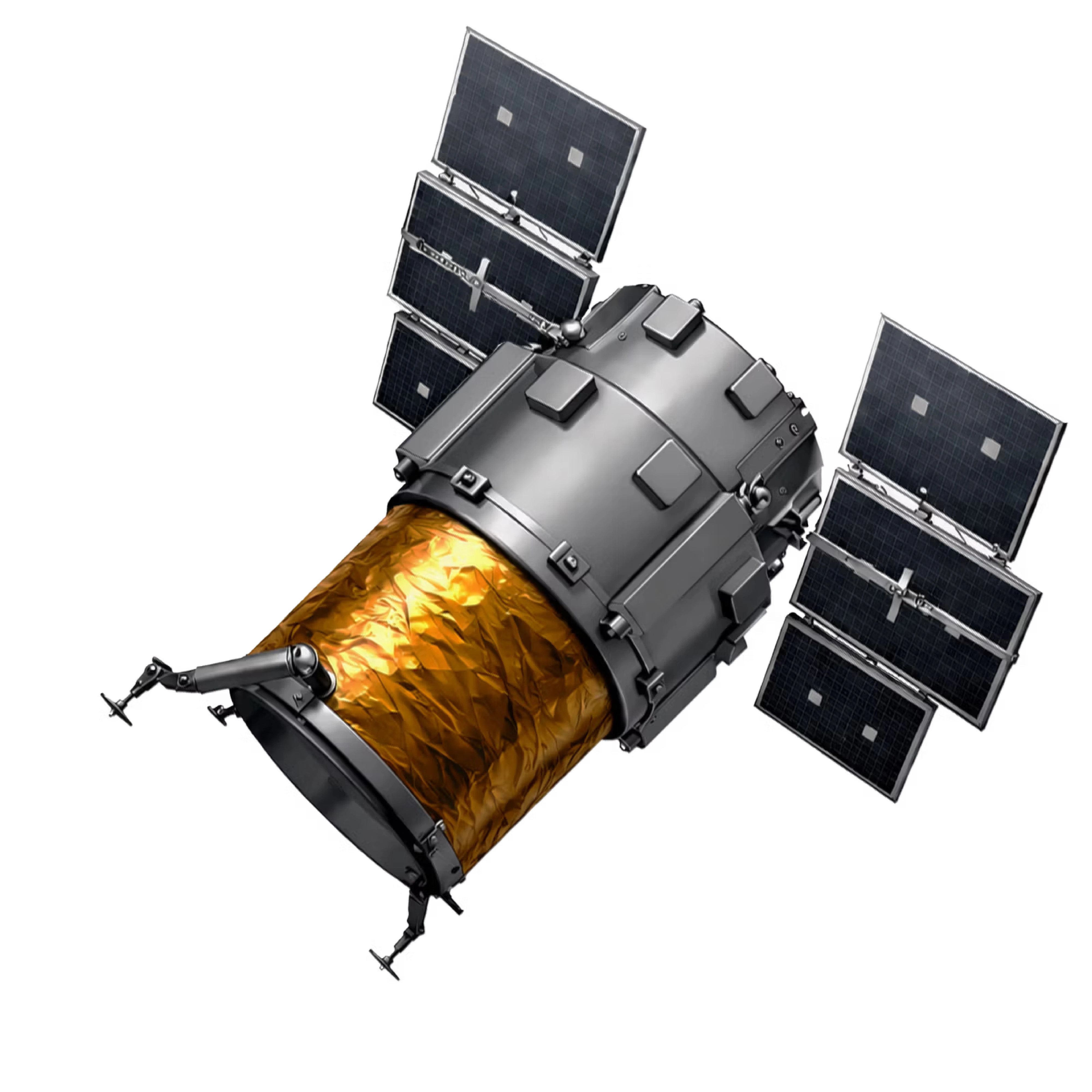
Pulse works in concert with Vantor's high-resolution satellites, automatically cueing targeted collection so that broad-area monitoring turns into precise, actionable intelligence. The platform is expandable to additional sensor bands and feeds directly into the Vantor constellation and spatial intelligence platform.
Because the program was only recently announced, several parameters are published as ranges or planned targets.
Key Capabilities
- Persistent global monitoring - Revisit any location as frequently as every 15 minutes for continuous visibility with no gaps
- 40 cm-class imagery - 37 to 50 cm native resolution suited to wide-area monitoring and change detection
- 8 multispectral bands - Multi-band collection that is expandable to other sensor bands
- Automated cueing - Cues Vantor's high-resolution satellites for follow-on collection to confirm and act with detail
- Built for AI workflows - Frequent observations improve change detection, pattern analysis and alerting
- 5x capacity - Increases global capacity and revisit rates roughly five-fold across the constellation
Performance
- Collection points - More than 500 points per day
- Area capacity - More than 300,000 sq km per day
- Geolocation accuracy - Less than 15 m CE90, post-processed to less than 5 m CE90
- Radiometric accuracy - Less than 5 percent
- Useful lifetime - More than 5 years
- Orbit - 450 to 600 km mid-inclination orbit (MIO)
Applications
- Change detection - Frequent revisits reveal what has changed between observations of the same site
- Activity and pattern monitoring - High revisit frequency supports tracking how sites and areas evolve over time
- Disaster and event response - More frequent passes help capture rapidly developing situations
- Infrastructure and asset monitoring - Regular observation of facilities, sites and corridors
- Maritime and logistics awareness - Frequent wide-area collection supports monitoring of ports, shipping and movement